
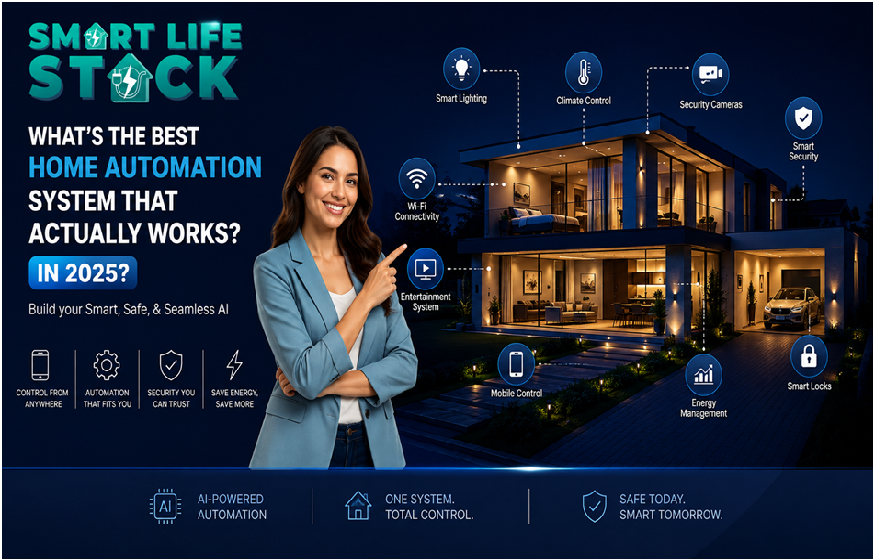
The best home automation system in 2026 is about much more than switching lights on and off from a phone. A well-designed smart home can connect lighting, air conditioning, curtains, security, entertainment, locks, and sensors into one coordinated system.
For homeowners, offices, developers, and property owners, the priority should be reliability, security, convenience, energy efficiency, and future expansion. The right platform should also continue performing essential functions when the internet goes down.
What Should a Good Home Automation System Offer?
A modern automation platform brings multiple devices together so they can work as one intelligent environment. Users can manage their setup through smartphone apps, voice assistants, touch panels, wireless switches, sensors, schedules, and presence detection.
Key Features to Look For
Reliable performance: Devices should communicate consistently with minimal delay and secure connections.
Offline operation: Important routines such as lights, sensors, curtains, switches, and scheduled actions should continue working without an active internet connection. Internet access is generally needed for remote control from outside the property.
Voice control: Compatibility with Alexa, Google Assistant, or Siri makes everyday commands easier. A single instruction can activate several devices at once, for example, turning off lights, locking doors, and switching the AC to a preferred setting.
Mobile control: A reliable app should provide access to lighting, energy information, security alerts, guest access, and other connected devices.
How IoT and Zigbee Improve Automation
Best IoT home automation allows different smart devices to communicate instead of operating as isolated gadgets. For example, when someone arrives home, the system could recognize their presence and trigger the entry lock, hallway lighting, curtains, AC, and music automatically.
Zigbee is another important technology for connected environments. Its low power consumption, mesh networking, scalability, and dependable indoor communication make it useful when many smart devices need to operate together without placing excessive demand on Wi-Fi.
Where Can Home Automation Be Used?
Smart Lighting
Lighting is often the easiest starting point. Best lighting automation can include motion detection, schedules, dimming, sunrise and sunset triggers, vacation mode, and customized scenes.
A morning routine might gradually brighten the lights and open curtains, while a night scene could dim bedroom lighting, switch off unnecessary lights, and activate security settings.
AC and Climate Control
Air conditioning can consume a significant amount of household electricity. Automated climate control can use occupancy, schedules, temperature, sleep settings, and geofencing to reduce unnecessary operation while maintaining comfort.
Fans can also respond to room temperature, humidity, occupancy, or predefined schedules, creating a more balanced indoor environment.
Smart Security and Entry
A smart entry system can combine smart locks, door sensors, video doorbells, visitor management, temporary access, and supported recognition features. This is particularly useful for rental properties where digital access can replace traditional keys.
Office Automation
Automation is equally valuable in workplaces. Smart lighting, meeting-room controls, access management, occupancy sensors, AC scheduling, and energy monitoring can reduce repetitive manual tasks and improve operational efficiency.
Who Can Benefit From Automation?
Homeowners, elderly residents, rental-property owners, interior designers, real estate developers, hotels, and businesses can all benefit from automation. New properties can also be designed with automation infrastructure from the beginning, making installation cleaner and easier.
For budget-conscious homeowners, automation does not have to happen all at once. Start with lighting, smart switches, voice control, or AC automation, then add curtains, security, entertainment, appliances, irrigation, and energy management later.
How to Choose the Right System
Before investing, check whether the platform:
- Works during internet outages
- Supports your preferred voice assistant
- Offers Zigbee or suitable wireless connectivity
- Allows future expansion
- Automates lighting, AC, curtains, and security
- Provides professional installation
- Offers dependable local support
- Includes appropriate privacy and security measures
Price should not be the only deciding factor. Long-term reliability and support can have a much greater impact on the overall value of an automation system.
Expert Recommendation
The strongest home automation setup for 2026 combines offline functionality, voice and mobile control, dependable communication, security, scalability, and professional support. Instead of installing unrelated smart gadgets, choose a unified platform that can grow as your requirements change.
Conclusion
The best home automation system in 2026 should make everyday life simpler without sacrificing reliability, security, or flexibility. Whether you are automating a home, office, rental property, hotel, or new development, choosing a scalable and professionally supported platform can deliver greater long-term value.
For future-ready automation designed for Indian homes and businesses, Smartlifestack provides professionally designed solutions focused on dependable performance, modern integrations, and practical smart living.
Frequently Asked Questions
1. What is the best home automation system in 2026?
A good system should provide reliable automation, offline operation, security integration, voice control, and room for future expansion.
2. Can I control home lights using my smartphone?
Yes. Compatible automation systems let users control lighting through mobile apps, create schedules, configure scenes, and manage devices remotely.
3. Can home automation work without internet?
Yes. Systems designed for local or offline operation can continue running essential switches, sensors, lighting, curtains, and scheduled routines even when internet service is unavailable.
4. Is Alexa suitable for home automation?
Yes. Alexa can control compatible lights, AC units, curtains, entertainment devices, plugs, and security equipment through voice commands.
5. Is home automation expensive?
Not necessarily. You can begin with a few essential devices and gradually expand the system as your requirements and budget grow.